.webp)
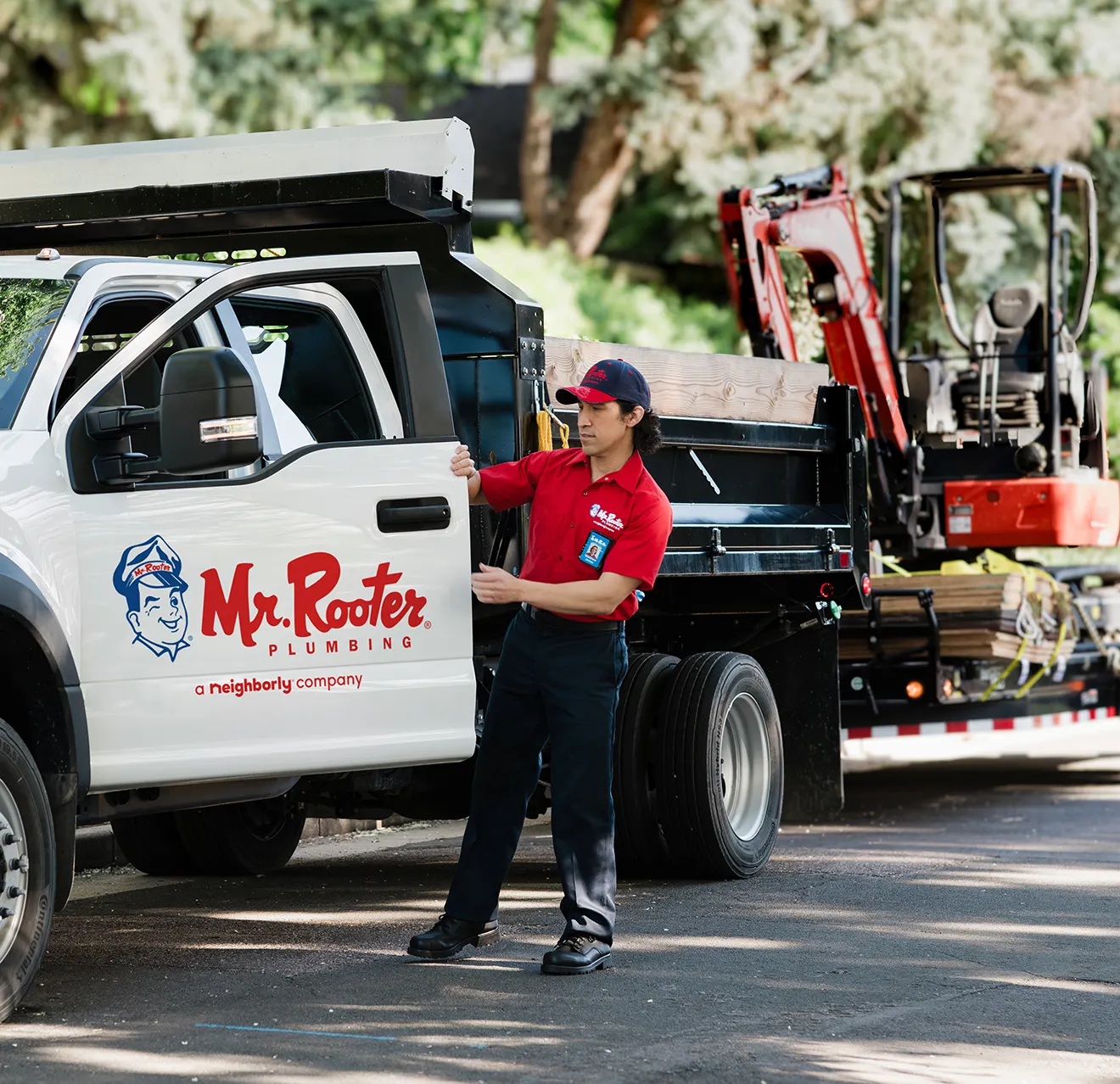
When considering trenchless sewer line repair costs, it’s important to understand that this method often provides savings over traditional repairs. Although the initial cost may be slightly higher in some cases, the reduction in labor, landscaping repairs, and business downtime often makes trenchless methods more cost-effective overall. Factors such as the length of the damaged pipe, the extent of damage, and accessibility to the sewer line can all influence the final cost.
At Mr. Rooter Plumbing of Denver, we offer transparent pricing and provide an upfront estimate after assessing your sewer line issue. We believe in giving our clients clear information so that you can make the best decision for your business. Typical factors that can affect trenchless sewer line repair costs:
Pipe Length & Size
Larger or longer pipes may require additional resources for sewer line repair.
Extent of Damage
More severe damage may require more intensive repair methods during sewer line repair in Denver, CO.
Type of Trenchless Repair Needed
There are different trenchless methods, such as pipe bursting and pipe lining, which vary in cost.
How Does Trenchless Sewer Line Repair Work?
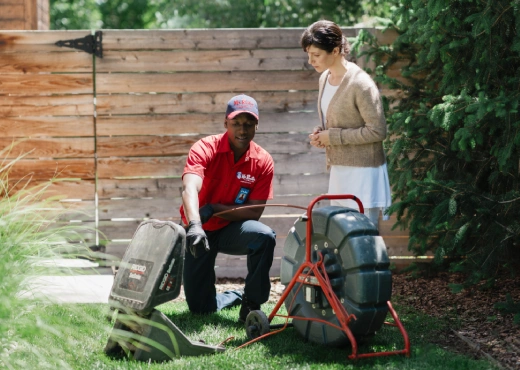
Trenchless sewer line repair includes two primary methods: pipe bursting and pipe lining. Both methods are highly effective and allow our Denver service professionals to complete repairs with minimal digging.
Pipe Bursting
This method involves breaking apart the old pipe while simultaneously pulling a new pipe into place. A bursting head breaks up the damaged pipe, and a new pipe is seamlessly installed in its place. This technique is ideal for severely damaged pipes that need complete replacement.
Pipe Lining (Cured-in-Place Pipe, or CIPP)
This technique involves inserting a resin-coated liner into the existing pipe. The liner hardens and creates a new, durable pipe within the old one. Pipe lining is effective for minor damage or cracks, offering a long-lasting solution without full pipe replacement.
When to Consider Trenchless Sewer Line Repair
Sewer line problems can range from minor leaks to severe blockages. If you notice any of the following issues on your property, it may be time to consider professional trenchless sewer line repair:
Frequent Backups or Clogs
Consistent clogs may signal a broken or blocked sewer line.
Slow Drains Across Multiple Fixtures
This is often an indicator of a sewer line problem, as individual drain clogs are usually isolated to a single fixture.
Unpleasant Odors
Foul smells around your building could mean sewage is not properly contained.
Unusual Wet Patches on Landscaping
Visible water patches on your property may indicate a leak in the underground sewer line.
Signs of Foundation Damage
If sewer issues go unaddressed, they can lead to structural damage, particularly near the building foundation.