Mr. Rooter Plumbing explains how to install a toilet flange for a secure, leak-free toilet connection.
|
If it’s time to replace an old toilet or you discover the toilet flange is damaged or broken, you may need to learn how to install a toilet flange. Occasionally, the existing flange may not work for your new toilet, and installation can be difficult.
If you decide to tackle the task on your own, it’s helpful to familiarize yourself with the process.
Keep reading to learn the steps to toilet flange replacement, including the tools you’ll need to get the job done right. With the correct tools and some guidance, you can expect the project to require a few hours of your time.
1. Gather the Necessary Tools
Before you install a new high-power flush toilet or a new toilet flange, it’s a good idea to make sure you have all the supplies and tools you’ll need to do the job correctly.
Here’s what you’ll need to replace a toilet flange:
- New toilet flange
- Adjustable wrench
- Wax bowl/ring
- Screwdriver (flathead and Phillips)
- Closet/T-bolts
- Hammer
- Chisel or small pry bar
- Putty knife (to remove old wax bowl/ring)
- Old towel or T-shirt
- Hacksaw (if bolts are rusty)
- PVC cement (if you have PVC pipes)
- Adhesive remover (if needed)
- Dremel tool
Even if you have experience with this project, it’s a good idea to look for an emergency plumber if something goes wrong and you need help. Having a professional on deck can help prevent serious damage to your home.
2. Prep the Project
Before you start toilet flange installation, gather your tools and supplies to start prepping the bathroom. Make sure to have plenty of old towels around to help soak up any leakage and prevent damage to your flooring. When you’re ready to start, follow these steps:
- Turn off the water supply to the toilet.
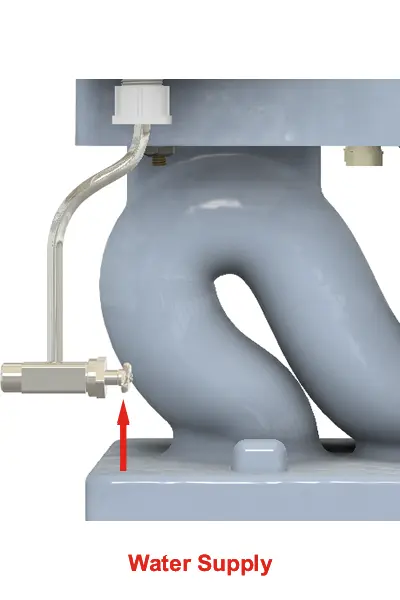
- Flush the toilet until the bowl and tank are empty and the tank no longer refills.
- Use paper towels or old rags to sop up any remaining water.
- Place a bucket or towel under the water supply and unhook it from the tank.
- Remove the bolts from both sides of the toilet tank and lift the tank off.
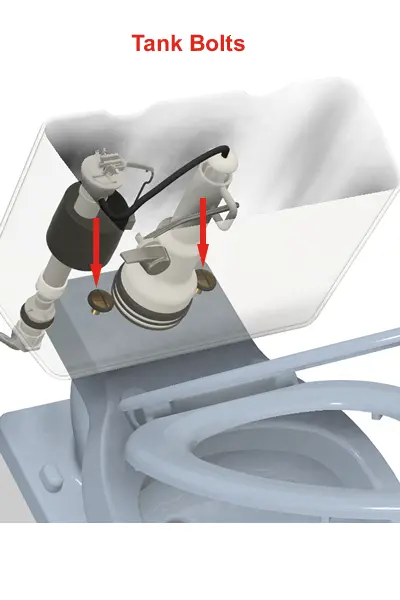
- Remove the plastic flange bolt covers from the toilet base.
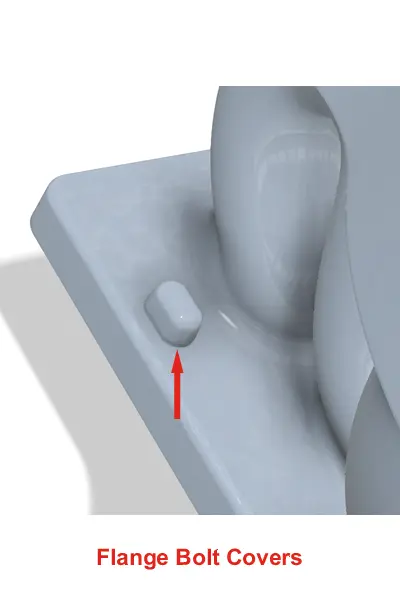
- Remove the bolts from the base of the toilet using the adjustable wrench.
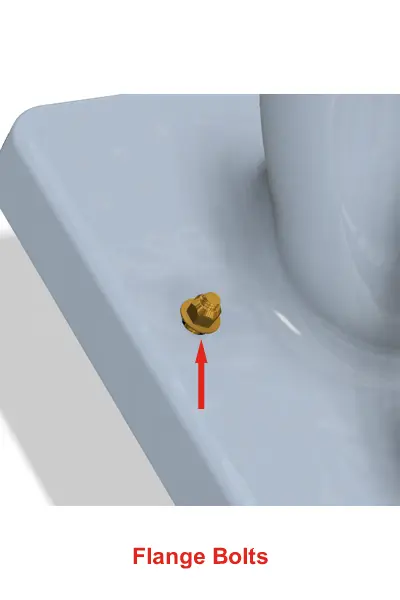
- Carefully rock the toilet bowl from side to side to break the wax seal.
- Lift the bowl straight up and set it off to the side. Make sure you can access the bottom of the bowl for the next step.
Now that you’ve gotten access to the flange, it’s time to begin the process of removing the old flange.
3. Clean the Area and Remove the Old Wax Ring
Stuff the old towel or shirt into the drain pipe, then scrape away the wax seal from the bottom of the bowl and the base of the flange with the putty knife. Make sure to check that the pipe or flange isn’t damaged. If there is damage, call a service professional for repairs before installing a new flange.
4. Remove the Old Toilet Flange
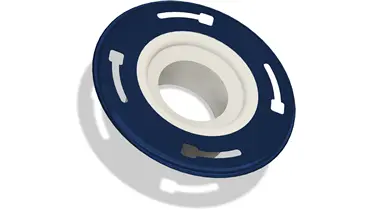
To remove the old flange, unscrew it from the drain on the floor. If the toilet flange screws are stuck, you may need to use the adjustable wrench to try to remove them. If they still won’t move, you may need to apply adhesive remover or drill them out.
If the flange won’t come up after removing the screws, try using a hammer and chisel or pry bar to get the entire flange out. If that doesn’t work, use a rotary tool to cut the flange into pieces.
After you’ve removed the flange, clean up the area and prepare it for installation.
5. Place the T-Bolts on the Flange
Place the closet/T-bolts from your new toilet flange in the slots on either side of the toilet flange to get the placement right. Most new toilet flanges have slots that allow the bolts to be inserted from the top and slide in place. The threaded shafts should be sticking upward and will not pull through after the final adjustment.
6. Position the Toilet Flange
Position the toilet flange by pressing it down into the opening of the drain, using the closet/T-bolts to position it correctly. The bolts should be equal distance from the back of the wall to ensure the tank is parallel to the wall. Achieving proper positioning is ideal before securing the flange.
7. Secure the Flange With Screws or Bolts
Bolt or screw the flange into the holes in the floor using an adjustable wrench or screwdriver. Twist the fasteners snugly into place. Make sure the fasteners do not extend above the top of the toilet flange, or they may prevent the toilet bowl from sealing correctly to the floor.
8. Apply the Wax Ring
Affix the wax bowl directly onto the flange to seal the toilet. The wax bowl and ring prevent water and sewer gas leakage. Once the wax seal is in place, fit the toilet onto the flange. Make sure you closely follow the steps for how to install a toilet to prevent damage to your flooring, the bowl, or the tank. Once you reinstall the toilet, make sure to check for leaks to ensure the toilet is sealed correctly.
Let Mr. Rooter Plumbing® Help Install Your Toilet Flange
Installing a toilet or replacing a flange is a challenging task for experienced DIYers. The good news is that the service professionals at Mr. Rooter Plumbing are happy to handle the job for you. All of our services are backed by the Neighborly Done Right Promise®.
Schedule an appointment online today to get a professional on the job.
This article is intended for general informational purposes only and may not be applicable to every situation. You are responsible for determining the proper course of action for your home and property. Mr. Rooter Plumbing is not responsible for any damages that occur as a result of this blog content or your actions. For the most accurate guidance, contact your local Mr. Rooter Plumbing location for a comprehensive, on-site assessment.
How To Replace a Toilet Flange FAQ
Still have questions about how to install a toilet flange? We have answers!
Should a toilet flange be flush with the floor?
No. A flush toilet flange can create a pathway for leaks. The correct toilet flange location is approximately ¼ inch above the finished floor, not the subfloor.
Do you put the wax ring on the toilet or the flange?
The wax ring should be placed on the flange, not the toilet itself.
Should a toilet flange go on tile or subfloor?
The flange should be installed on the tile, hardwood, LVP, or other finished flooring. Installing the flange on the subfloor could lead to toilet flange leaks.