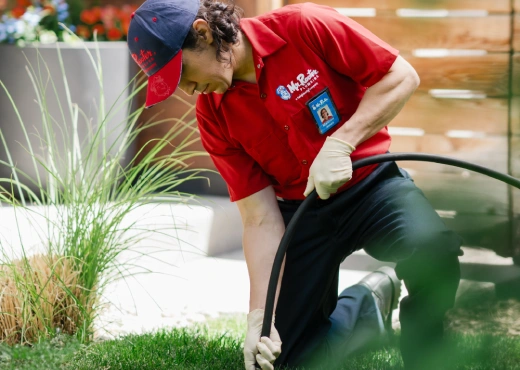
You deserve to know exactly what you're paying for before any work starts. When you choose Mr. Rooter Plumbing of North Miami Beach, you get transparent pricing, genuine plumbing expertise, and service that's backed by the Neighborly Done Right Promise satisfaction guarantee. Here's what sets us apart:
Locally Owned and Operated with National Backing
We're a locally owned and operated franchise, which means you work with plumbers who know North Miami Beach, Bal Harbour, Bay Harbor, Coral Gables, Sunny Isles, Aventura, Ojus, North Miami, Miami Shores, and the surrounding communities. We understand the plumbing challenges that come with living near the coast, the impact of South Florida's hard water on your fixtures and appliances, and the common issues that affect older homes in the area.
Upfront, Flat-Rate Pricing You Can Count On
You see the price before work begins. No hidden fees, no billing surprises, no overtime charges. We provide flat-rate pricing, so you know exactly what the repair or service will cost and can make an informed decision with confidence. This is part of how we've built trust with homeowners and businesses throughout Miami-Dade County for years.
Licensed, Insured, and Background-Checked Plumbers
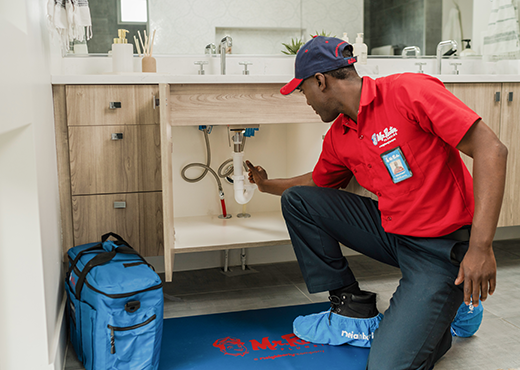
Every member of your Mr. Rooter Plumbing team is a licensed, insured, and background-checked professional. You get plumbers with the training, expertise, and state-of-the-art equipment needed to diagnose plumbing issues accurately and resolve them correctly the first time. When we arrive at your home, we treat it with respect. We wear shoe covers, protect your floors, and clean up thoroughly after every job.
24/7 Emergency Plumbing Services
Plumbing emergencies don't wait for business hours. When a pipe bursts, a sewer backs up, or your water heater fails, you need help now. We provide 24-hour emergency plumbing services, 7 days a week, with no overtime charges. You call, we answer with a live person, and we schedule service at a time that works for you. If it's an emergency, we dispatch a technician immediately.
The Neighborly Done Right Promise®
Every service we provide is backed by the Neighborly Done Right Promise®. If the work isn't done right, we'll make it right. That's how confident we are in the quality of our work and the expertise of our plumbers.
Common Plumbing Challenges We See in North Miami Beach Neighborhoods
After years of service calls throughout North Miami Beach and the surrounding communities, we've seen patterns that help us diagnose issues faster and recommend the right long-term solutions for your specific area.
Older Coastal Neighborhoods (Sans Souci, Golden Shores, Eastern Shores)
Homes built in the 1950s through 1970s often have original galvanized steel supply lines or cast iron drain pipes. These old pipe materials corrode from the inside out, causing low pressure and rusty water. If your home is over 40 years old and you're noticing recurring clogs or discolored water, a camera inspection can show us exactly what's happening inside those pipes before a small problem becomes an expensive emergency.
Mid-Rise and High-Rise Buildings (Aventura, Bay Harbor Islands)
Vertical plumbing stacks in condos and apartment buildings face unique pressure challenges and shared drain systems. A sewer backup on your floor could be caused by something three floors up. We use specialized diagnostic tools to pinpoint the exact location and cause, which saves time and helps building management understand whether it's a unit issue or a building-wide repair.
Newer Developments (Ojus, Parts of North Miami)
Even newer homes aren't immune. We've responded to service calls where PEX supply lines were installed incorrectly, leaving connections vulnerable to leaks. And in developments built on reclaimed or fill soil, ground settling can stress underground sewer laterals. An annual inspection catches these issues early, before foundation water damage or sewer line collapse forces a much bigger repair.
How South Florida Weather Affects Your Plumbing (And What You Can Do About It)
Living in North Miami Beach means your plumbing works harder than it does in most of the country. Here's what we recommend based on the patterns we see every year.
Before Hurricane Season (May Through November)
Heavy rain and storm surge put stress on sewer systems, and power outages can leave you without a functioning sump pump or sewage ejection pump if you have one. Before a named storm approaches, locate your main water shutoff valve and make sure everyone in your household knows where it is and how to turn it off. If you have a sump pump or sewage pump, consider a battery backup system. After the storm passes, check for signs of sewer backup: slow drains, gurgling sounds, or water pooling near floor drains. Do not flush or run water if you suspect a backup, because that makes cleanup much harder and more expensive.
During Rainy Season
South Florida's summer storms dump inches of rain in minutes, and that sudden ground saturation can expose weak points in your sewer lateral. Tree roots that were dormant during dry months grow aggressively toward moisture during the rainy season, and that's when we see the most sewer line root intrusions. If your drains slow down every summer, that’s a sign that your sewer lines require an inspection. This will allow us to clear the roots before they cause cracking in your sewer pipes.
Year-Round Humidity and Corrosion
Florida's humidity accelerates corrosion on exposed pipes, water heater fittings, and shutoff valves. A valve that hasn't been turned in five years can seize or break when you need it most. Once a year, slowly turn each shutoff valve under sinks and toilets a quarter turn and back, just to keep them operational. And if you see white or green buildup on copper pipes or fittings, that's corrosion, and it's worth having a plumber inspect the connection before it leaks.
How We Diagnose Common Plumbing Problems in North Miami Beach Homes
When you call with a plumbing issue, we're not guessing. Here's how we approach the most common service calls so you understand what we're looking for and why.
Diagnosing Low Water Pressure
We start by testing static pressure at an outdoor hose bib with a gauge. Normal residential pressure in North Miami Beach is typically 50 to 80 psi. If pressure is low everywhere, we check the pressure regulator (if you have one) and the position of the main shutoff valve. If pressure is low at just one fixture, we inspect the shutoff valve, aerator, and supply lines for that fixture. If pressure drops only when you use hot water, the issue is usually sediment buildup in the water heater or a failing dip tube. Mineral-heavy groundwater accelerates this, which is why we recommend annual water heater flushes in South Florida.
Diagnosing a Sewer Backup or Slow Drain
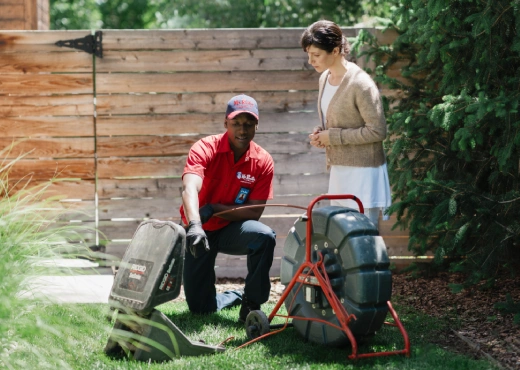
If one drain is slow, the clog is usually close to that fixture. Hair and soap in a bathroom, grease in a kitchen. If multiple drains are slow or backing up, the blockage is in the main sewer line. We run a camera inspection to see exactly what's causing it: roots, grease buildup, a bellied pipe, or a partial collapse. In older North Miami Beach neighborhoods, we often find clay sewer laterals with offset joints where roots have infiltrated. Once we know what we're dealing with, we can recommend the right fix. Cable snaking for soft clogs, HydroScrub jetting for grease and roots, or pipe repair if the line is damaged.
Diagnosing a Water Heater that's Not Producing Enough Hot Water
We check the unit's age, the temperature setting, and whether the pilot light or heating elements are working. Then we drain a sample from the tank. If it comes out cloudy or full of sediment, that's mineral buildup reducing tank capacity. If the water heater is over 10 years old and you've never had it flushed, sediment can take up as much as a quarter of the tank. We also check the anode rod, which protects the tank from corrosion. In coastal areas, anode rods corrode more quickly, so replacing them can extend your water heater's life by years.
Diagnosing a Hidden Leak (Slab Leak or Wall Leak)
If your water bill jumps and you don't see any visible leaks, we start with a meter test. We turn off all water inside and outside the house, then check if the meter is still spinning. If it is, there's a leak somewhere between the meter and your fixtures. Next, we use electronic leak detection equipment and thermal imaging to pinpoint the location without tearing up your floors or walls. Slab leaks are more common in Florida because ground settling and soil moisture can stress copper lines embedded in the slab. Catching a slab leak early prevents foundation damage and mold growth.
Plumbing Warning Signs North Miami Beach Homeowners Should Never Ignore
Some plumbing issues give you time to schedule an appointment. Others need immediate attention to prevent serious damage. Here's what we recommend based on what we see in the field every day.
Call a Plumber Today (Within 24 Hours)
Water is pooling under the water heater or around the base of the tank. Even a slow drip can turn into a flood when the tank fails, and water heaters don't give much warning before they rupture.
Wet spots on your ceiling, walls, or floors that won't dry. This is a hidden leak, and the damage gets worse every day. Mold starts growing within 24 to 48 hours in Florida's humidity.
One toilet that keeps running or refilling on its own. A failing flapper valve can waste hundreds of gallons per day, and your water bill will reflect it.
Discolored or rusty water that doesn't clear after a few minutes. This can indicate pipe corrosion or sediment buildup, and it's worth investigating before a pipe fails.
Sewer odor inside the house. If you smell sewage, there's a problem with a drain trap, a vent, or a sewer line. This is not just unpleasant. It's a health hazard.
Call a Plumber Immediately (Emergency)
Sewage is backing up into tubs, showers, or floor drains. Stop using all water immediately and call for emergency service. Continued use makes the backup worse and spreads contamination.
A burst pipe or water spraying from a pipe, fitting, or fixture. Shut off the water at the main valve if you can, then call us. Every minute counts to minimize water damage.
No hot water in winter (rare in South Florida, but it happens). If your water heater has gone completely cold and you've checked the pilot light or breaker, the issue is often a failed heating element or gas valve, and you don't want to be without hot water for days.
Water is leaking near electrical outlets, appliances, or your electrical panel. This is a safety emergency. Turn off the power to the affected area at the breaker if you can do so safely, then call both a plumber and an electrician.
When in doubt, reach out. We'd rather have you call and discover it's a simple fix than wait and deal with a flooded home or a failed sewer line.
What Affects the Cost of Plumbing Repairs in North Miami Beach
You deserve to understand what goes into the price of a plumbing repair, so when we give you an upfront estimate, you know what you're paying for and why. Here are the factors that influence cost.
Diagnosis and Access
Some issues are obvious. A leaking faucet, a running toilet. Others require diagnostic tools such as camera inspections, pressure testing, or leak detection equipment. If we need to access pipes inside a wall, under a slab, or in a crawl space, that adds time and complexity. Homes built on slab foundations (common in South Florida) can require specialized equipment to locate and repair a leak without unnecessary demolition.
Parts, Materials, and Code Compliance
We use quality parts that meet or exceed Florida Building Code requirements, because using the cheapest materials just means you'll need another repair sooner. For example, replacing a water heater includes the tank or tankless unit, new supply and discharge lines, expansion tank (required by code in closed systems), and proper venting or condensate drainage. Permits and inspections add cost, but they also protect your home's value and ensure the work passes inspection if you sell.
Scope of Work and Long-Term Value
A temporary patch costs less than a permanent repair, but it's not always the right answer. If we find a small section of corroded pipe, we can replace just that section. Or we can show you what the rest of the system looks like and help you decide whether a larger repipe makes more sense. We'll always give you options and explain the pros, cons, and realistic lifespan of each approach, so you can make the decision that fits your home and your budget.
Emergency vs. Scheduled Service
We don't charge overtime fees for nights, weekends, or holidays, which is not standard in the industry. That said, emergency services sometimes require expedited parts sourcing or creative problem-solving to prevent immediate damage and get you back to normal. When you can plan ahead (annual water heater maintenance, scheduled drain cleaning, or a camera inspection before you have a backup), you have more time to compare options and make decisions without pressure.
Should You Repair or Replace? Our North Miami Beach Plumbing and Drain Service Helps You Decide
One of the most common questions we hear is, "Can this be repaired, or do I need to replace it?" Here's how we walk you through that decision for the two biggest investments: water heaters and sewer lines.
Water Heater: Repair or Replace?
If your water heater is less than 8 years old and the issue is a failed heating element, thermostat, or pressure relief valve, repair is usually the right call. These parts are relatively inexpensive and can extend the unit's life by years. But if your water heater is over 10 years old, leaking from the tank itself, or requiring frequent repairs, replacement is often the smarter long-term investment. A leaking tank cannot be repaired. Once the inner lining fails, the tank is done. And if you're replacing the unit anyway, that's the time to consider upgrading to a tankless system or a high-efficiency model that can reduce energy costs and qualify for rebates. We'll show you the numbers and let you decide.
Sewer Line: Repair, Reline, or Replace?
If a camera inspection shows a localized clog or a single crack, spot repair is often enough. If tree roots have infiltrated the line but the pipe is otherwise sound, HydroScrub jetting can clear the roots and buy you several years. But if we see multiple cracks, offset joints, a bellied section (where the pipe has sagged and holds standing water), or extensive root damage, replacing the line is the only permanent solution. In some cases, trenchless pipe lining (installing a new epoxy liner inside the old pipe) can restore the line without digging up your yard. We'll explain what we found, what each option costs, and how long each solution is likely to last, so you can make the right call for your home and your budget.
The North Miami Beach Homeowner’s Plumbing Maintenance Checklist
Plumbing problems are easier and less expensive to prevent than to fix. Here's a simple schedule we recommend to our customers throughout North Miami Beach and Miami-Dade County.
Every 6 Months
Test all shutoff valves under sinks and toilets by turning them a quarter turn and back. This keeps them from seizing and breaking when you need them. Pour a gallon of water down any floor drains or basement drains you don't use regularly. This keeps the trap full and prevents sewer gas from entering your home. Check the water pressure at an outdoor faucet. If it's noticeably lower than before, schedule a professional inspection to diagnose the cause before it worsens.
Once a Year
Schedule a professional water heater flush to remove sediment, especially if you have hard water or groundwater from the aquifer (common in North Miami Beach). Inspect exposed pipes in the garage, attic, or utility room for signs of corrosion, leaks, or loose fittings. Florida's humidity accelerates corrosion, so catching it early prevents leaks. Test your sump pump or sewage ejection pump (if you have one) by pouring water into the pit. Make sure it activates and drains properly. Schedule a professional drain cleaning or camera inspection if you have slow drains or recurring clogs. This is especially important if you have mature trees near your sewer lateral.
Every 3 to 5 Years
Have a professional plumber perform a whole-home plumbing inspection, especially if your home is over 20 years old. We'll check supply lines, drain lines, fixtures, and the water heater for signs of aging or wear. Consider a sewer camera inspection to assess the condition of your main sewer line, especially if your home was built before 1980 and may have clay or cast iron pipes.
If you'd rather not track all of this yourself, ask us about our maintenance plans. We'll schedule reminders and handle the inspections, so your plumbing stays in good shape year-round without you having to think about it.
When to Call Miami-Dade 311 vs. When to Call a Plumber in North Miami Beach
If you see water bubbling up in the street, you have no water service, or multiple homes on your block suddenly have low pressure, start with Miami-Dade County 311. They can help route your request to the right department for utility-side issues and outages. If the problem is only happening inside your home (one toilet overflowing, one drain backing up, a water heater leaking, or a wet spot spreading across your ceiling or wall), call a plumber. Tip: When you call either one, share the same basics. Your address, what you're seeing, when it started, and whether the issue affects the whole home or just one fixture. That detail speeds up the diagnosis and gets you to the right help faster.